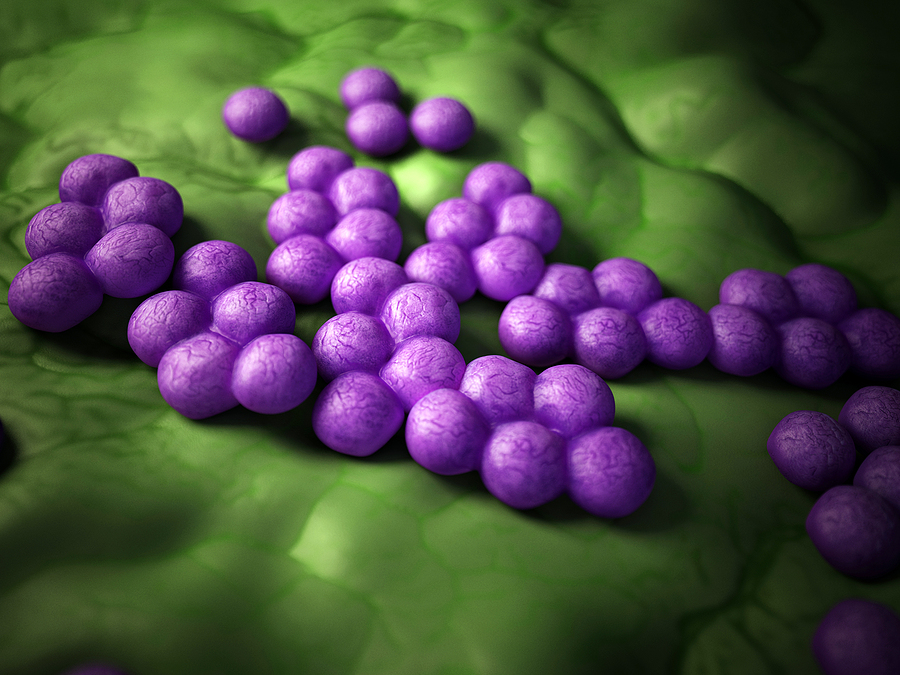
Surface disinfection: high-touch cleaning that actually removes MRSA
Bed rails, door handles, taps, phones, keyboards and remote controls are touched dozens of times an hour. Cleaning them on a schedule removes the reservoir hands keep returning to.
Reviewed and updated by the MRSA Guide editorial team.
What this policy covers
MRSA persists on dry hard surfaces long enough to be picked up by the next hand that lands there. The contribution of the environment to transmission is now well established, particularly for the next occupant of a hospital bed space.
High-touch means exactly that: rails, cot sides, call bells, light switches, door handles, taps, toilet flushes, keyboards, phones, shared remotes, gym equipment and changing-room benches.
Product choice matters. Use a disinfectant with a label claim against Staphylococcus aureus or MRSA, and respect the stated contact time — wiping dry immediately defeats it.
How to do it properly
- Clean high-touch surfaces daily at minimum, and more often in shared bathrooms or when someone has a draining wound.
- Follow the product's contact time; leave the surface visibly wet for as long as the label specifies.
- Work clean-to-dirty and change cloths between areas rather than spreading with one cloth.
- Do terminal cleaning of a bed space, including the mattress and all touch points, before the next occupant.
- At home, focus on the bathroom, kitchen taps, door handles, phones and anything a dressing has touched.
- In gyms and locker rooms, provide wipes at the equipment and require users to clean before and after use.
What the evidence shows
Studies of hospital bed spaces show that admission to a room previously occupied by an MRSA-positive patient increases the risk of acquisition, and that enhanced terminal cleaning reduces it.
Cleaning interventions with monitoring — fluorescent markers, ATP checks or direct audit — outperform cleaning policies that are written but not measured.
Common mistakes
- Spraying and immediately wiping dry, so the disinfectant never reaches its contact time.
- Cleaning surfaces nobody touches while missing rails, handles and switches.
- Using one cloth across a whole room.
Hand hygiene
Washing or sanitising hands at the right moments removes MRSA before it reaches a wound, a device or another person. No other prevention measure has a bigger effect for less effort.
Covered wounds
MRSA leaves the body in wound fluid and pus. A clean, dry, intact dressing keeps the organism inside the dressing rather than on hands, clothing, furniture and other people.
Don't share personal items
MRSA survives on fabric, plastic and metal for days to weeks. Shared towels, razors, bar soap and sports gear move it directly from one person's skin to another's.
Screening and contact precautions
Finding MRSA carriers on admission and managing them with gowns, gloves and single rooms stops silent carriage becoming ward-wide transmission.
Antimicrobial stewardship
Every unnecessary antibiotic course selects for resistant organisms. Stewardship — right drug, right dose, right duration, or none at all — reduces the pressure that lets MRSA thrive.