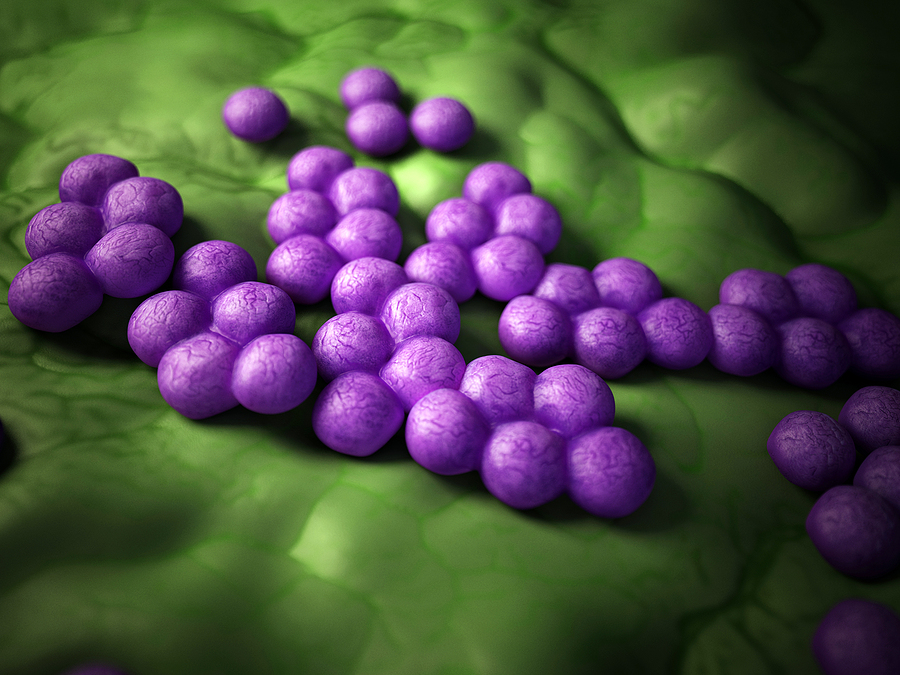
Is MRSA a virus? No — MRSA is a bacteria
Searches for the 'MRSA virus' are extremely common, but MRSA is bacterial. Here is the difference, why the confusion happens, and what it means for treatment.
Reviewed and updated by the MRSA Guide editorial team.
The short answer
MRSA is not a virus. It is a bacterium: methicillin-resistant Staphylococcus aureus. That single fact changes everything about how it is diagnosed, treated and prevented. Bacteria are living, single-celled organisms that can grow and divide on their own. Viruses are not fully alive — they are packets of genetic material that must hijack your cells to copy themselves.
Because MRSA is bacterial, it responds to antibiotics — just not the usual ones. Antiviral medicines do nothing to it.
Bacteria vs viruses at a glance
| Bacteria (incl. MRSA) | Viruses (flu, COVID, colds) | |
|---|---|---|
| What it is | Living single-celled organism | Genetic material in a protein coat |
| Can it live alone? | Yes — grows on skin, in wounds, on surfaces | No — needs a host cell to replicate |
| Treatment | Antibiotics, drainage of abscesses | Antivirals, or supportive care only |
| Typical spread | Skin contact, shared items, surfaces | Often airborne droplets and aerosols |
| Vaccine available? | None licensed for MRSA | Common for many viruses |
For the biology in more depth, see what MRSA bacteria actually is and the different strains of MRSA.
Why people search for the "MRSA virus"
- "Virus" is used loosely. In everyday speech any contagious bug is a "virus" or a "bug going round".
- MRSA is contagious. Outbreaks in hospitals, gyms and schools make it sound like a viral epidemic.
- News framing. Headlines about "superbugs" rarely spell out whether the organism is bacterial or viral.
- Resistance sounds like a virus mutating. Bacteria acquire resistance genes, which the public often equates with viral mutation.
Why the distinction matters for you
It changes the medicine
MRSA needs an antibiotic the strain is still sensitive to. Penicillin, amoxicillin and most cephalosporins fail; doxycycline, clindamycin, trimethoprim-sulfamethoxazole or vancomycin are typical choices. Antivirals are useless.
It changes the test
Diagnosis is by swab and bacterial culture with antibiotic susceptibility testing, or a rapid PCR nasal screen — not a viral swab. See the MRSA test guide.
It changes prevention
Hand hygiene, wound covering and not sharing towels or razors matter more than masks. Nasal decolonisation with mupirocin and chlorhexidine washes has no viral equivalent.
So what is MRSA, in one paragraph?
Staphylococcus aureus is a bacterium that lives harmlessly in the nose or on the skin of roughly a third of people. When a strain picks up the mecA gene on a mobile SCCmec cassette, it produces an altered penicillin-binding protein that beta-lactam antibiotics cannot latch onto — and it becomes MRSA. It causes the same infections as ordinary staph (boils, abscesses, cellulitis, wound infections, and occasionally bloodstream, bone or lung infection) but is harder to treat.
The more general MRSA questions
Frequently asked questions
Is MRSA a virus?
What kind of germ is MRSA then?
Why do people call it the MRSA virus?
Can antivirals treat MRSA?
Is there a vaccine for the MRSA virus?
Does MRSA spread like a virus?
Can you have MRSA and a virus at the same time?
- CDC. Methicillin-resistant Staphylococcus aureus (MRSA) — General Information (2024)
- CDC. Antibiotic Do's & Don'ts — antibiotics do not treat viruses (2024)
- NHS. MRSA — Causes, symptoms and treatment (2023)
- Mayo Clinic. MRSA infection — Symptoms & causes (2024)
- World Health Organization. Antimicrobial resistance — fact sheet (2023)