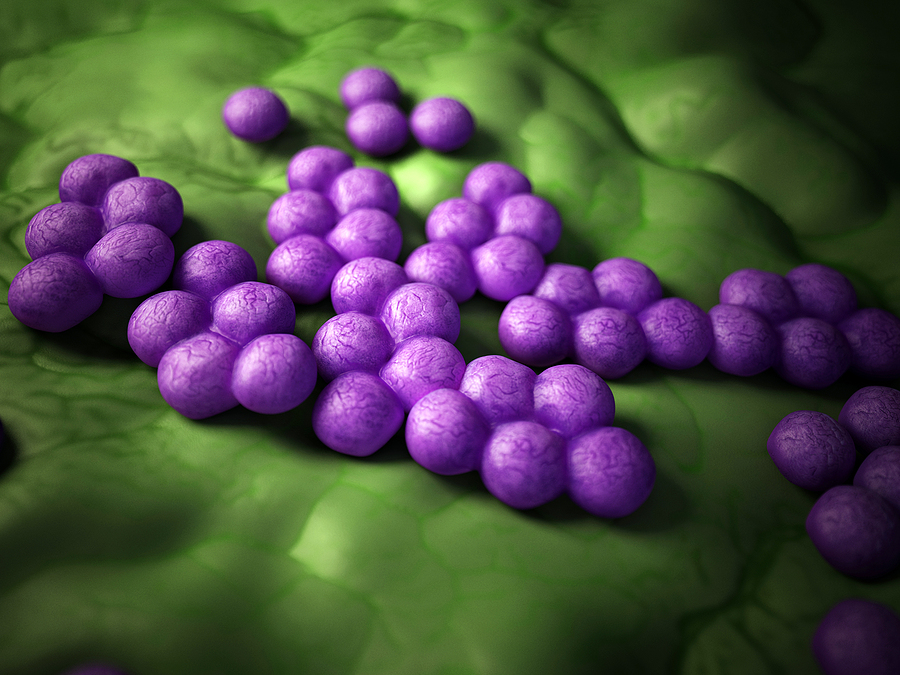
Staph infection vs pimple
A normal pimple and a staph skin infection can look alike at first. This guide explains the differences, when a pimple becomes infected, and when a bump needs medical attention.
Written by David Roberts, editor · Updated
Checked against current CDC and IDSA guidance. Not medically reviewed. How we source this
The short answer
A pimple is a blocked oil gland that usually causes mild, localised redness and settles within a few days. A staph infection — including MRSA — can start as a red bump but is typically more painful, grows faster, and may become a deep, pus-filled boil or abscess. If a lesion is very tender, rapidly enlarging, or not improving, it should be checked by a clinician.
Pimple vs staph infection at a glance
| Feature | Normal pimple | Staph / MRSA infection |
|---|---|---|
| Pain | Mild tenderness, usually improving in a few days | Often painful, throbbing, or rapidly worsening |
| Speed of growth | Develops over several days, then settles | Can grow noticeably within 24–48 hours |
| Size and depth | Small, superficial, rarely larger than a pea | Can become a deep, tense boil or abscess 2–5 cm or larger |
| Pus centre | Small whitehead that resolves easily | Large, soft yellow or white centre that may need drainage |
| Redness and warmth | Limited redness around the spot | Surrounding skin often red, warm, and swollen |
| Fever or spreading redness | Not usually | Possible; red streaks, fever, or chills are warning signs |
What a normal pimple looks like
A pimple forms when a hair follicle or oil gland becomes clogged with oil and dead skin cells. It appears as a small red bump, sometimes with a white or black head, and usually clears up in a few days to a week. Pimples are rarely larger than a pea, do not usually feel warm, and do not cause fever or spreading redness.
What a staph pimple or MRSA lesion looks like
Staph bacteria, including methicillin-resistant Staphylococcus aureus (MRSA), can enter the skin through any tiny break. The lesion often starts as a firm, red, tender bump and then grows quickly. Within 24–48 hours it may become warm, swollen, and develop a soft white or yellow centre of pus. The surrounding skin is red and the lesion can feel tense or throbbing.
Common forms include folliculitis, boils, cellulitis, and abscesses. For a broader visual guide, see what does MRSA look like?
Can a pimple turn into a staph infection?
Yes. A pimple itself is not a staph infection, but the skin break created by a pimple — especially if it is squeezed or picked — can let staph bacteria enter and multiply. Once bacteria invade deeper tissue, the lesion can become a boil, abscess, or patch of cellulitis. The best way to avoid this is to leave pimples alone, wash your hands before touching your face, and keep skin clean.
Can you get a staph infection from popping a pimple?
Popping or squeezing a pimple can push surface bacteria into the deeper skin layers and create a larger opening for infection. If MRSA or MSSA is present on the skin or under the fingernails, it can enter through this break. That is why healthcare professionals advise against squeezing spots, and why a lesion that worsens after being picked should be examined.
When to see a clinician
- The bump is growing, very painful, warm, or has a large pus centre
- It is on the face, near the eye, or in the groin
- You have fever, chills, or red streaks spreading from the area
- You have diabetes, a weakened immune system, or the lesion is not improving within 48 hours
- The spot appeared after picking, shaving, or a minor cut and is getting worse
How MRSA and staph lesions are diagnosed
A clinician cannot reliably tell a pimple from a staph infection by appearance alone. The usual test is a wound swab or sample sent for culture and antibiotic susceptibility testing. If the bacteria are MRSA, the lab report will show resistance to beta-lactam antibiotics and guide the choice of treatment. For more detail, see the MRSA test page.
How staph infections are treated
Small abscesses or boils often need incision and drainage by a clinician. Antibiotics are added when there is surrounding cellulitis, fever, or recurrent disease. Common oral options for MRSA skin infections include clindamycin, doxycycline, trimethoprim-sulfamethoxazole, and minocycline. Severe infections are treated in hospital with intravenous vancomycin, daptomycin, or linezolid.
Read the full guide on MRSA skin infection treatment.
Frequently asked questions
Can a pimple be a staph infection?
Can a pimple turn into a staph infection?
Can you get a staph infection from popping a pimple?
What does a staph pimple look like?
How do I know if it's a pimple or MRSA?
When should I see a doctor for a pimple-like bump?
- CDC. Methicillin-resistant Staphylococcus aureus (MRSA): Information for clinicians (2024)
- NHS. MRSA — Treatment (2023)
- BMJ Best Practice. Staphylococcus aureus skin and soft tissue infection (2024)
- IDSA. Practice guidelines for the diagnosis and management of skin and soft tissue infections (2014)
Symptoms hub
Overview of MRSA symptoms and day-by-day progression.
What does MRSA look like?
Bumps, boils, abscesses and cellulitis — every visual form.
MRSA rash
Does MRSA cause a rash? Look-alikes and how to tell them apart.
MRSA in the nose
Nasal carriage vs infection, swab testing and mupirocin treatment.
MRSA skin infection
Types, diagnosis, treatment, and when skin MRSA becomes dangerous.
MRSA boil
Deep, painful, pus-filled lumps and how they are drained.
MRSA cellulitis
Spreading deeper-skin infection and urgent warning signs.
MRSA folliculitis
Small pus-filled bumps around hair follicles and prevention.
MRSA pneumonia
Hospital, ventilator-associated and necrotising lung infection.
MRSA bacteremia
MRSA in the bloodstream — how it gets there and how it's treated.
MRSA sepsis
Can MRSA cause sepsis? Warning signs and survival rates.
Invasive MRSA
How MRSA reaches the bloodstream, lungs and bone.
MRSA test
PCR nasal swab, wound culture and susceptibility testing.
MSSA vs MRSA
Same bacterium, different antibiotic susceptibility.